

ER vs Doctor After an Accident
Use this guide to decide when accident symptoms call for the ER, urgent care, or a routine doctor visit, and what details matter most.
Understand why internal injuries can be hard to spot and which symptoms after an accident should prompt urgent or emergency evaluation.
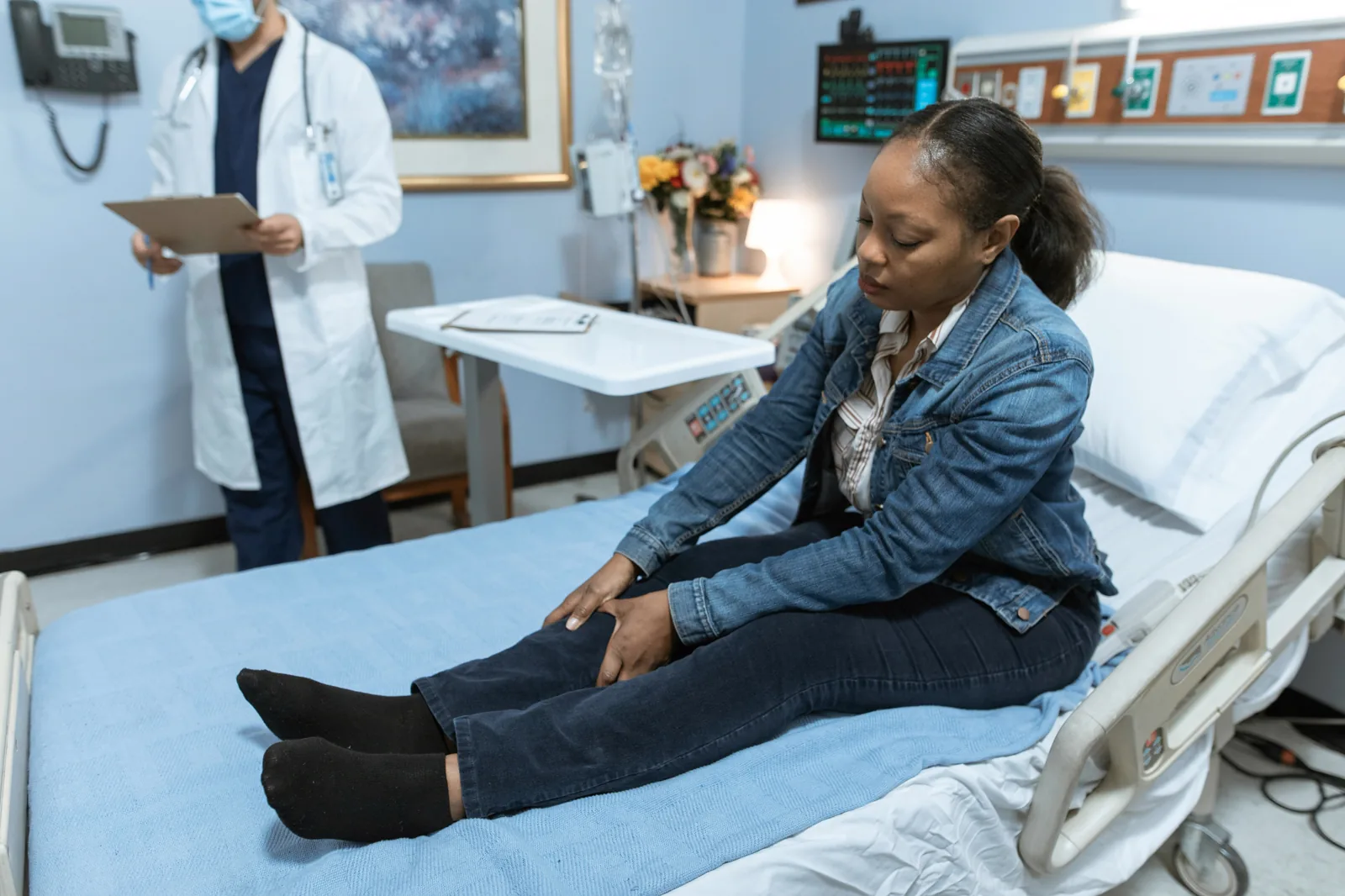
Photo: RDNE Stock project via Pexels
This page is for readers who are worried about hidden injury after a crash, especially when there is abdominal pain, chest pain, deep bruising, dizziness, faintness, or a sense that the person is deteriorating after going home. It also helps families who are trying to decide whether delayed symptoms warrant immediate reevaluation.
Internal injuries create fear because they are not always visible. A person may seem stable at first and still be developing a serious problem underneath chest, abdominal, or pelvic pain, which is why delayed red flags matter so much after a crash or fall.
Internal injury patterns often become clearer over time. A person may first report generalized soreness, then develop worsening belly pain, chest pressure, shortness of breath, dizziness, sweating, confusion, increasing weakness, or difficulty tolerating even light movement. That kind of progression is more important than whether the first few hours seemed manageable.
Injury-specific pages work best when the reader compares body area, neurologic change, sleep disruption, and day-to-day function instead of focusing only on the label.
This topic leans heavily toward emergency care when symptoms are increasing, not fading. Severe abdominal pain, fainting, pale or clammy skin, shortness of breath, confusion, chest pain, repeated vomiting, or obvious weakness should not be treated like a routine outpatient recovery question.
Clinicians usually think about internal injury through mechanism of injury, location of pain, vital signs, exam findings, and whether imaging or emergency observation is needed to rule out time-sensitive complications. The point is not to self-diagnose the exact organ involved, but to recognize when the overall picture is no longer safe to monitor casually.
Readers should pay attention to symptom progression, not just symptom presence. Write down when the pain became worse, whether the person looks pale or unusually tired, whether walking is harder, and whether dizziness, confusion, or breathing difficulty are appearing alongside the pain.
Follow-up is usually most helpful when it shows what changed in movement, sensation, endurance, or daily function since the last visit rather than repeating the same pain score.
If emergency reassessment happens, document the delayed change clearly. Records should reflect that the problem worsened after the initial period, because hidden-injury concerns are often understood through that timing rather than through one isolated symptom label.
The best outcome with internal injury concerns comes from timely recognition. Waiting for the body to "prove" the danger more clearly can waste the very window in which emergency care is most useful, so this is one of the few accident topics where a lower threshold for urgent action is usually the safer rule.
Recovery planning gets stronger when the reader measures progress through function, tolerance, and consistency instead of expecting one perfectly linear healing timeline.
Yes. That is one reason worsening pain, weakness, faintness, confusion, or breathing trouble should prompt urgent reevaluation.
No, but certain bruising patterns paired with deeper symptoms can be a clue that more urgent evaluation is needed.
This website publishes educational information about injuries, treatment patterns, and recovery questions after accidents. It does not diagnose, treat, or replace care from a licensed clinician who knows your medical history.
Seek emergency help for red-flag symptoms such as trouble breathing, chest pain, loss of consciousness, seizure, severe confusion, new weakness, or rapidly worsening abdominal pain.
Use this guide to decide when accident symptoms call for the ER, urgent care, or a routine doctor visit, and what details matter most.
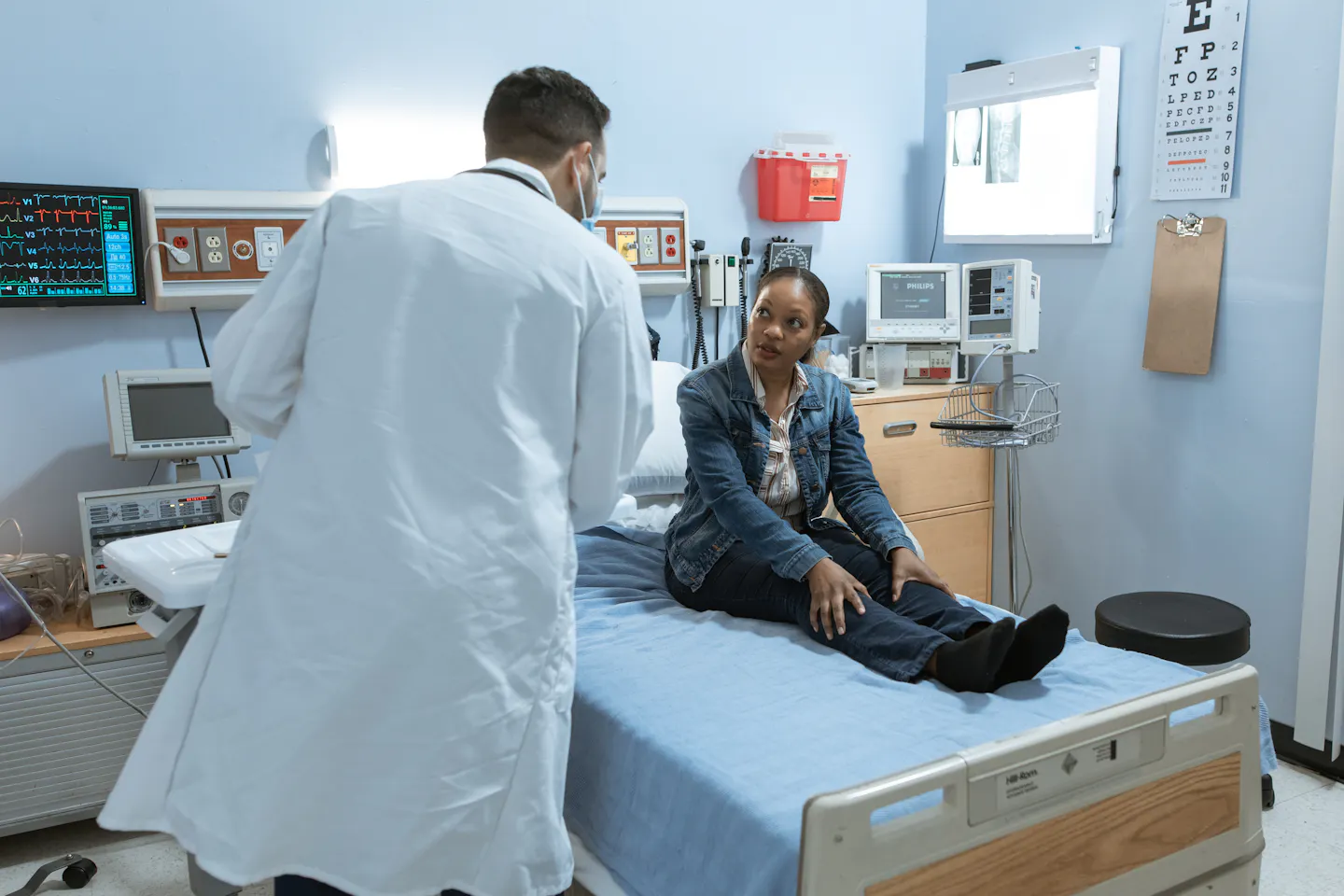
Watch for delayed accident symptoms that may need urgent reassessment instead of routine recovery at home.

Use this quick guide to spot the accident symptoms that should push the decision toward emergency care instead of waiting it out.