
10 Signs You Need the ER After a Crash
Use this quick guide to spot the accident symptoms that should push the decision toward emergency care instead of waiting it out.
- Severe headache, vomiting, breathing trouble, and weakness are major red flags.
- Symptoms that worsen after going home can still be emergency symptoms.
- Walking and talking do not automatically rule out serious injury.
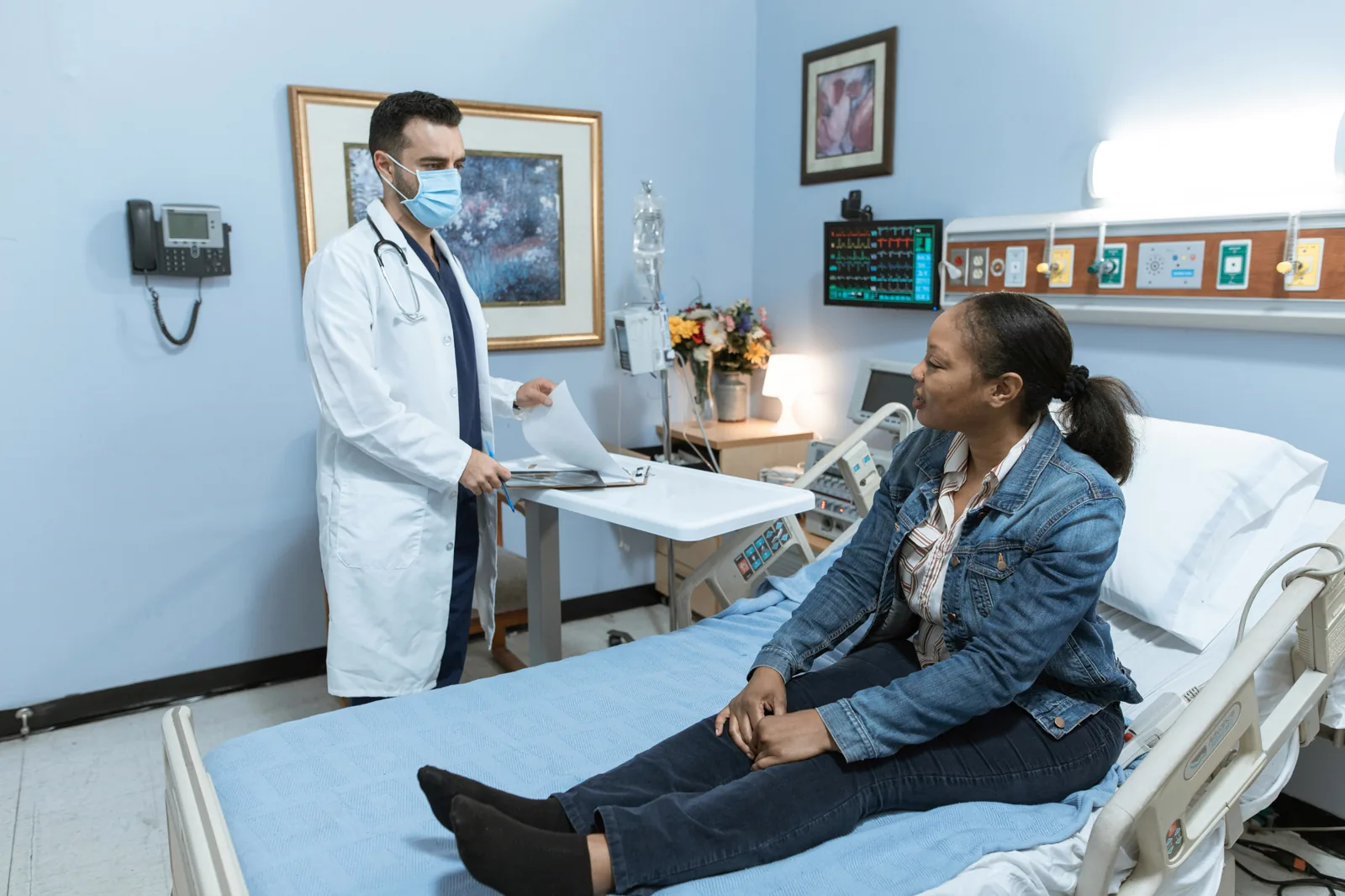
Photo: RDNE Stock project via Pexels
Why people search 10 Signs You Need the ER After a Crash
This page helps readers who are trying to decide quickly whether a loved one or they themselves need emergency evaluation after a collision, fall, or other sudden injury event. It is especially useful when symptoms are evolving and the first reaction is to minimize them.
This post answers one narrow but important question: when does a normal-sounding post-crash check-in become an emergency-room decision. The answer depends on symptom pattern, not just on whether the person can still stand up or talk.
- Severe headache, vomiting, breathing trouble, and weakness are major red flags.
- Symptoms that worsen after going home can still be emergency symptoms.
- Walking and talking do not automatically rule out serious injury.
What usually matters first
The signs that most often push the decision toward the ER are worsening headache, loss of consciousness, repeated vomiting, chest pain, shortness of breath, major bleeding, confusion, seizure, fainting, new weakness, and deepening abdominal pain. These symptoms matter because they may signal hidden injury or rapid change rather than ordinary soreness.
The next useful treatment question is usually about pace and safety: whether the current pattern still fits routine follow-up or whether the decision window is getting narrower.
When 10 Signs You Need the ER After a Crash needs follow-up
This page is itself about urgency, so the safest rule is simple: if the person feels harder to evaluate, less stable, less alert, or less able to move, breathe, or think normally than before, the decision should lean toward emergency care rather than more watchful waiting at home.
Treatment posts help most when the reader walks into the next visit able to describe what changed since the first evaluation instead of starting from scratch.
Questions and notes to bring
If you do go in, describe exactly when the symptom started, how it has changed, whether it appeared immediately or later, and what accident mechanism came before it. That makes the evaluation more useful than simply saying "I was in a crash and now I hurt."
- Did the symptom begin immediately or develop after the first few hours?
- Is the person more confused, weak, pale, or short of breath than before?
- Would I feel safe letting this person drive or stay unmonitored right now?
Why records and context still matter
Keep discharge papers, timing notes, and any imaging or medication instructions together. When symptoms were delayed, make sure that delayed timeline is easy to explain later because it helps the next provider understand why the second visit became necessary.
Even narrow treatment questions become clearer when the record shows timing, symptom progression, medications tried, and whether driving, work, or sleep have become harder.
Bottom line on 10 Signs You Need the ER After a Crash
If any of the red flags on this list are present or escalating, use the list as a prompt to act rather than as reassurance to keep waiting. A decision made ten minutes earlier is often more helpful than a perfect explanation made too late.
The goal is usually not more generalized searching. It is a clearer medical decision about where care should happen next and what question should be answered there.
Common Follow-Up Questions
If I can walk, does that mean I do not need the ER?
No. Some serious injuries still allow a person to walk early on, especially before the full symptom pattern becomes obvious.
Can symptoms become serious after I go home?
Yes. Delayed worsening is one reason return precautions matter so much after an accident.