

Which Doctor Should You See After a Car Accident?
Learn how urgent care, primary care, orthopedics, neurology, pain care, and physical therapy each fit into accident recovery.
Use this guide to decide when accident symptoms call for the ER, urgent care, or a routine doctor visit, and what details matter most.
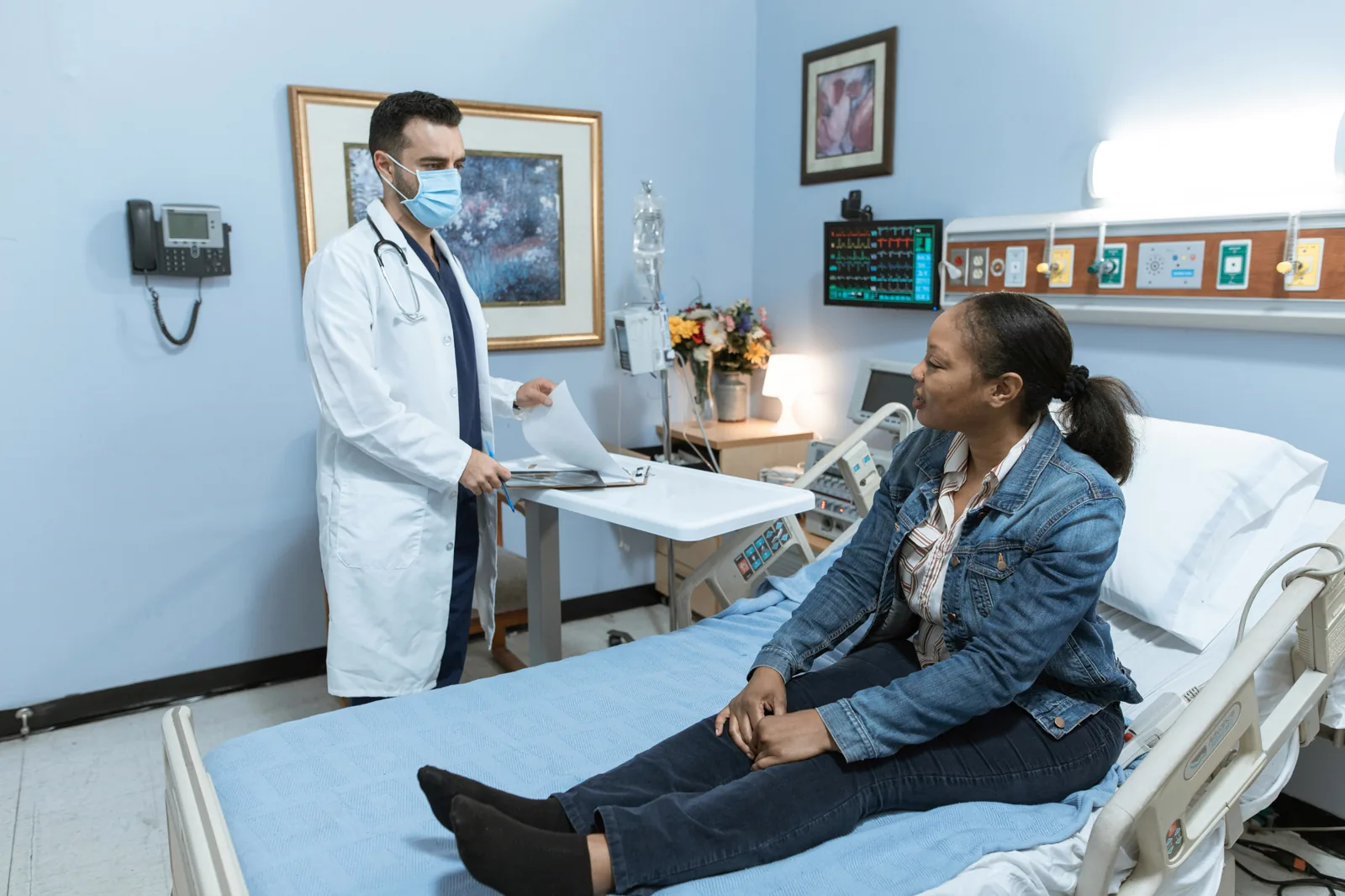
Photo: RDNE Stock project via Pexels
This page is for readers who feel sore, dizzy, shaky, or uncertain after a crash and are trying to make the safest first move without overreacting or underreacting. It is especially useful when symptoms changed after leaving the scene or when family members disagree about whether the problem is serious enough for emergency care.
The first medical decision after an accident is usually not about labels. It is about risk. Readers want to know whether the body is showing an emergency pattern, whether urgent care is enough, or whether a routine follow-up visit is still reasonable.
Accident symptoms often arrive in layers. A person may feel relatively steady at first, then develop headache, neck stiffness, chest soreness, abdominal pain, or confusion once adrenaline wears off. That makes the timing of symptoms almost as important as the symptoms themselves, because a delayed worsening pattern can push a borderline situation into an ER-level one.
Readers usually get the most value from treatment pages when they compare symptom trend, timing, and care setting rather than chasing one universal rule for every accident.
Choose emergency care when the story includes fainting, severe headache, repeated vomiting, trouble breathing, chest pain, confusion, seizure, major bleeding, rapidly growing abdominal pain, new weakness, or symptoms that make safe driving doubtful. Urgent care is more appropriate for stable pain, stiffness, smaller cuts, or swelling when the person is alert, breathing normally, and not showing signs of internal injury or neurologic change.
Clinicians usually start by deciding whether the accident could have caused a time-sensitive problem such as internal bleeding, head injury, fracture, breathing compromise, or neurologic deficit. From there, the evaluation often shifts toward exam findings, imaging decisions, medication safety, and whether follow-up should happen with a primary doctor, orthopedist, neurologist, therapist, or another specialist.
If the first visit does not send you to the ER, the next best step is still to monitor the pattern carefully over the following day or two. Track whether pain spreads, whether sleep becomes impossible, whether dizziness or nausea gets worse, and whether walking, driving, concentrating, or using the injured body part becomes harder instead of easier.
A good follow-up note usually makes the next decision easier: whether to keep monitoring, step up care, ask for imaging, or involve another specialty.
At the first visit, make sure the record states that the symptoms started after the accident, identifies the body areas involved, and notes any delayed worsening. That first note often becomes the anchor document later, so it helps when it includes the mechanism of injury, the initial exam findings, and the return precautions you were given.
The safest recovery path usually starts with the right level of care, then shifts quickly into follow-up, symptom tracking, and clearer questions. Readers who treat the first decision as the entire decision often miss the fact that a stable urgent-care case can still become a specialist or imaging case if symptoms stop following a normal improvement pattern.
The strongest treatment plan keeps changing as the picture becomes clearer instead of locking the patient into the same answer after the first visit.
Sometimes, but not when symptoms include fainting, repeated vomiting, chest pain, breathing trouble, severe headache, new weakness, or fast-worsening abdominal pain.
Yes. A clear urgent-care note can be very useful if it accurately describes the accident, the body areas involved, the exam, and the follow-up plan.
This website publishes educational information about injuries, treatment patterns, and recovery questions after accidents. It does not diagnose, treat, or replace care from a licensed clinician who knows your medical history.
Seek emergency help for red-flag symptoms such as trouble breathing, chest pain, loss of consciousness, seizure, severe confusion, new weakness, or rapidly worsening abdominal pain.
Learn how urgent care, primary care, orthopedics, neurology, pain care, and physical therapy each fit into accident recovery.
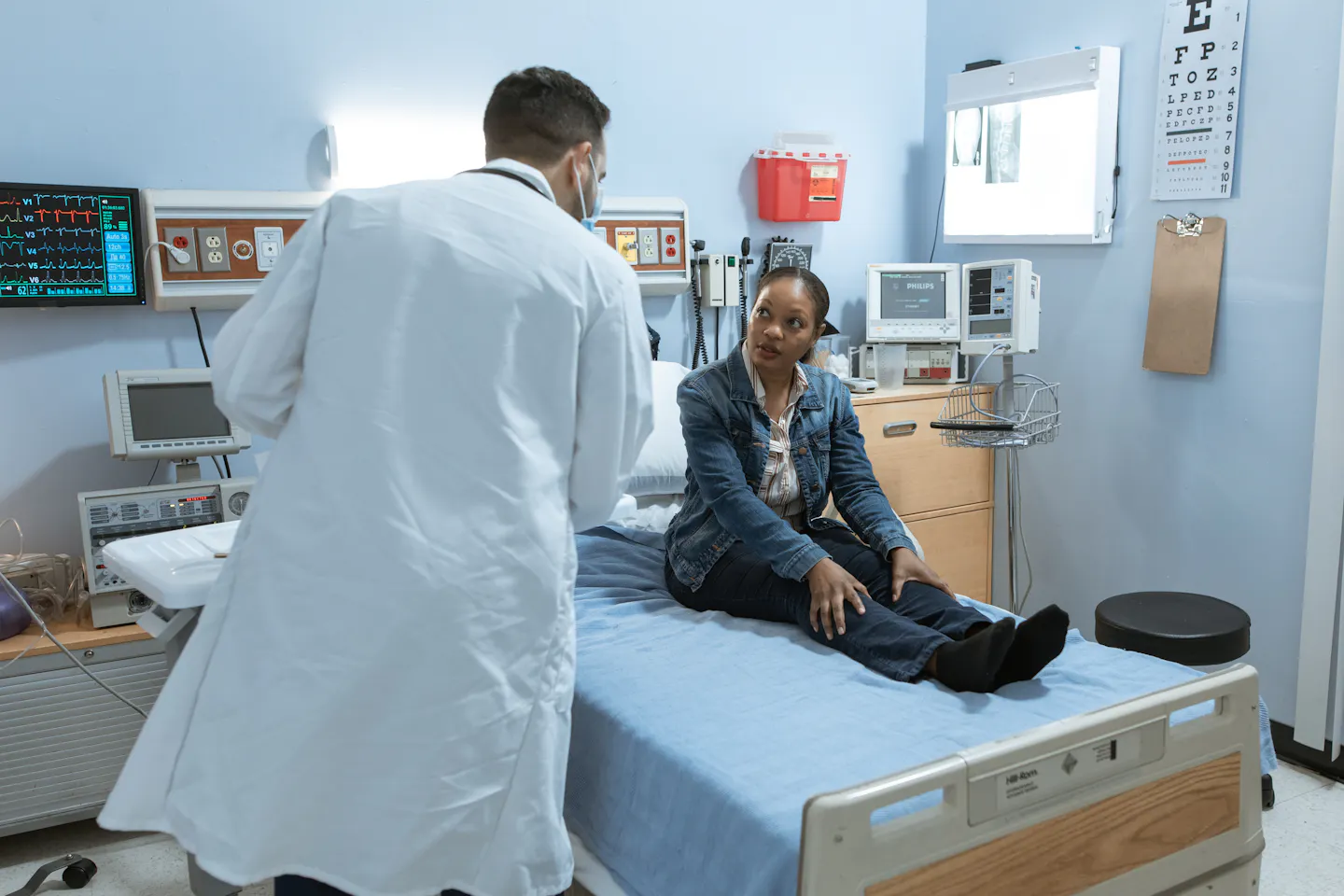
Watch for delayed accident symptoms that may need urgent reassessment instead of routine recovery at home.
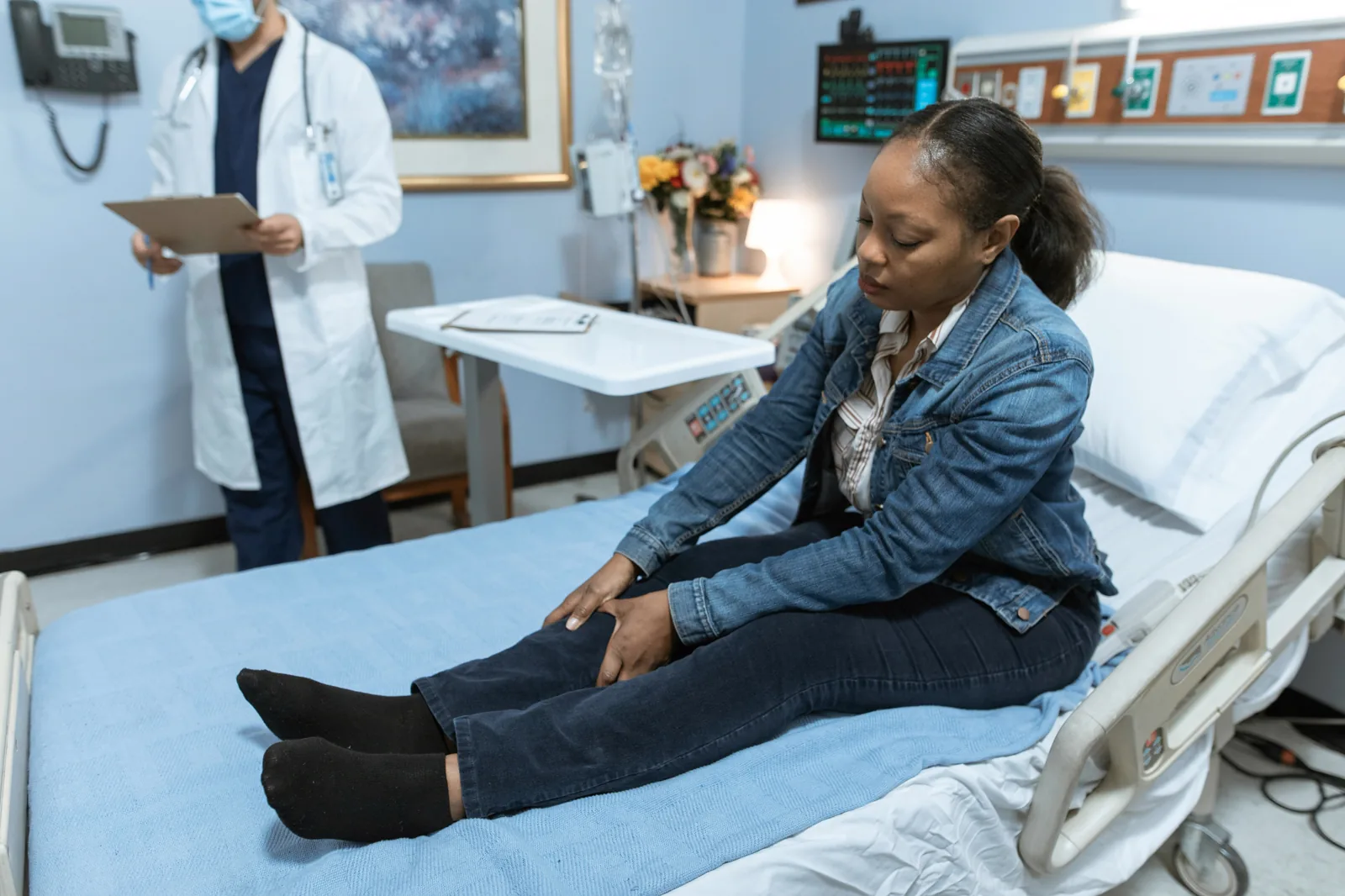
Use this quick guide to spot the accident symptoms that should push the decision toward emergency care instead of waiting it out.