
Red Flags After a Car Accident: Symptoms To Watch Closely
Watch for delayed accident symptoms that may need urgent reassessment instead of routine recovery at home.
- Delayed worsening can matter as much as immediate symptoms.
- Confusion, breathing trouble, severe headache, and new weakness are major warning signs.
- A diagnosis from the first visit does not guarantee the story is finished.
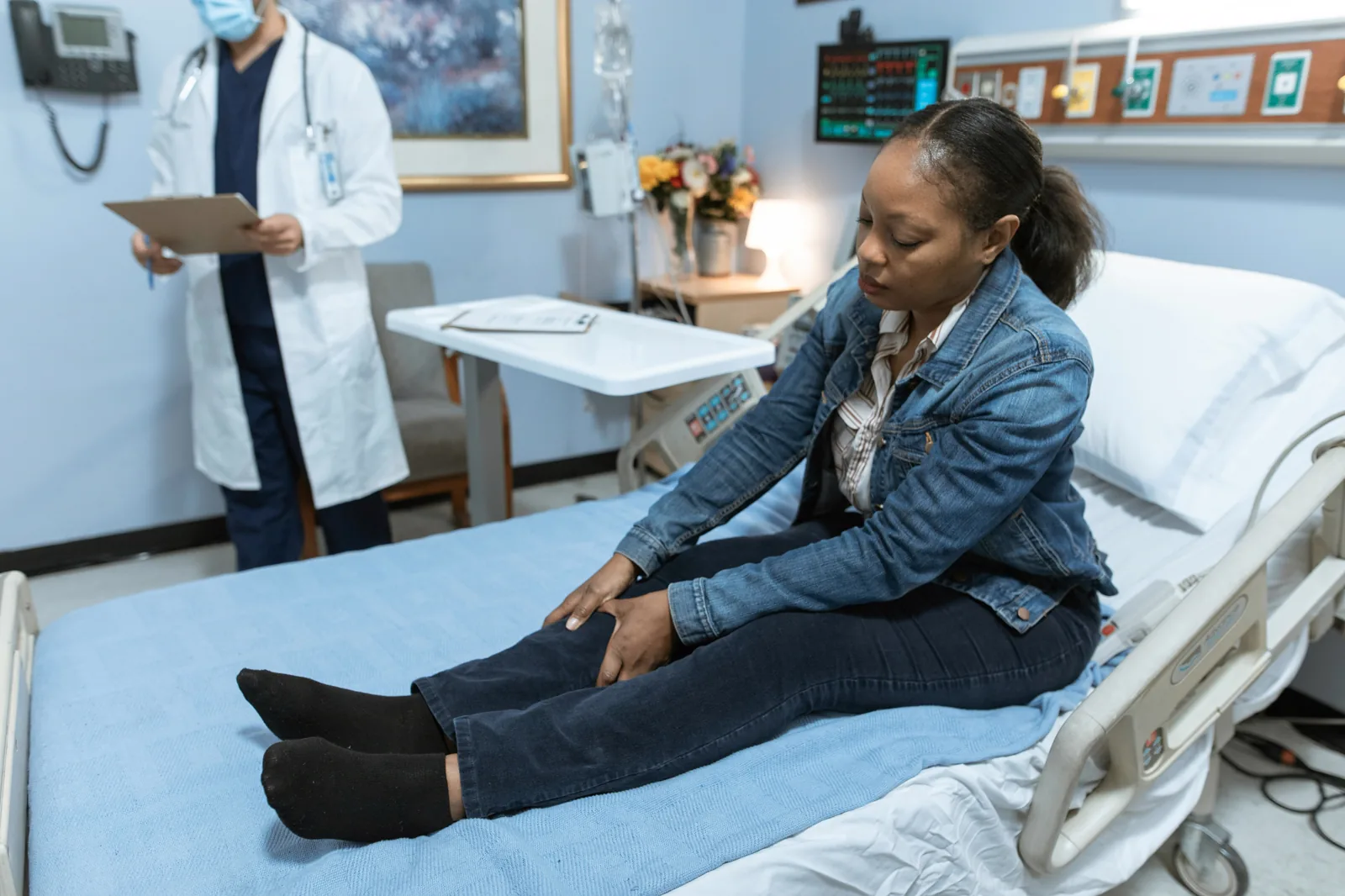
Photo: RDNE Stock project via Pexels
Why people search Red Flags After a Car Accident: Symptoms To Watch Closely
This page is for readers who were already seen once, or who initially felt stable, and now want to know what symptoms should trigger a stronger response over the next hours or days.
This page focuses on delayed warning signs. Many people leave the scene or the first visit thinking the problem is manageable, then notice a new symptom pattern once they are home. The question is which changes should feel serious enough to recheck urgently.
- Delayed worsening can matter as much as immediate symptoms.
- Confusion, breathing trouble, severe headache, and new weakness are major warning signs.
- A diagnosis from the first visit does not guarantee the story is finished.
What usually matters first
Key red flags include worsening headache, repeated vomiting, increasing confusion, chest pain, shortness of breath, fainting, severe abdominal pain, new weakness, spreading numbness, or a big drop in the ability to walk, think, or function normally. What makes them important is the change in the story, not simply the presence of discomfort.
The next useful treatment question is usually about pace and safety: whether the current pattern still fits routine follow-up or whether the decision window is getting narrower.
When Red Flags After a Car Accident: Symptoms To Watch Closely needs follow-up
If the overall trend is worse instead of better, or the person is harder to evaluate safely than before, the question has moved out of the routine-recovery category and into a faster medical reassessment category.
Treatment posts help most when the reader walks into the next visit able to describe what changed since the first evaluation instead of starting from scratch.
Questions and notes to bring
At reassessment, explain what changed since the last time the person was evaluated. The comparison matters: new vomiting, a more severe headache, deeper abdominal pain, worse confusion, or new weakness tells the clinician much more than repeating the original diagnosis.
- What symptom changed after the first visit or after going home?
- Is the person less alert, less steady, or less able to function than earlier?
- Would I feel safe waiting overnight with the current symptom pattern?
Why records and context still matter
Write down when the new red-flag symptom started, what came before it, and whether it is improving, stable, or worsening. That timeline helps emergency and follow-up clinicians understand why the case no longer fits the earlier plan.
Even narrow treatment questions become clearer when the record shows timing, symptom progression, medications tried, and whether driving, work, or sleep have become harder.
Bottom line on Red Flags After a Car Accident: Symptoms To Watch Closely
Use red flags as action points, not just as a reading list. The value of this page is in helping you notice when the recovery story is changing quickly enough that it should be re-evaluated.
The goal is usually not more generalized searching. It is a clearer medical decision about where care should happen next and what question should be answered there.
Common Follow-Up Questions
Should I go back if the original diagnosis was only a strain?
Yes, if symptoms change in an unexpected or concerning way. A first diagnosis does not eliminate the need for reassessment.
Do red flags always mean something life-threatening?
Not always, but they are signals that the current picture may need faster or more thorough evaluation.