
ER vs Doctor After an Accident
Use this guide to decide when accident symptoms call for the ER, urgent care, or a routine doctor visit, and what details matter most.
Use this quick guide to spot the accident symptoms that should push the decision toward emergency care instead of waiting it out.
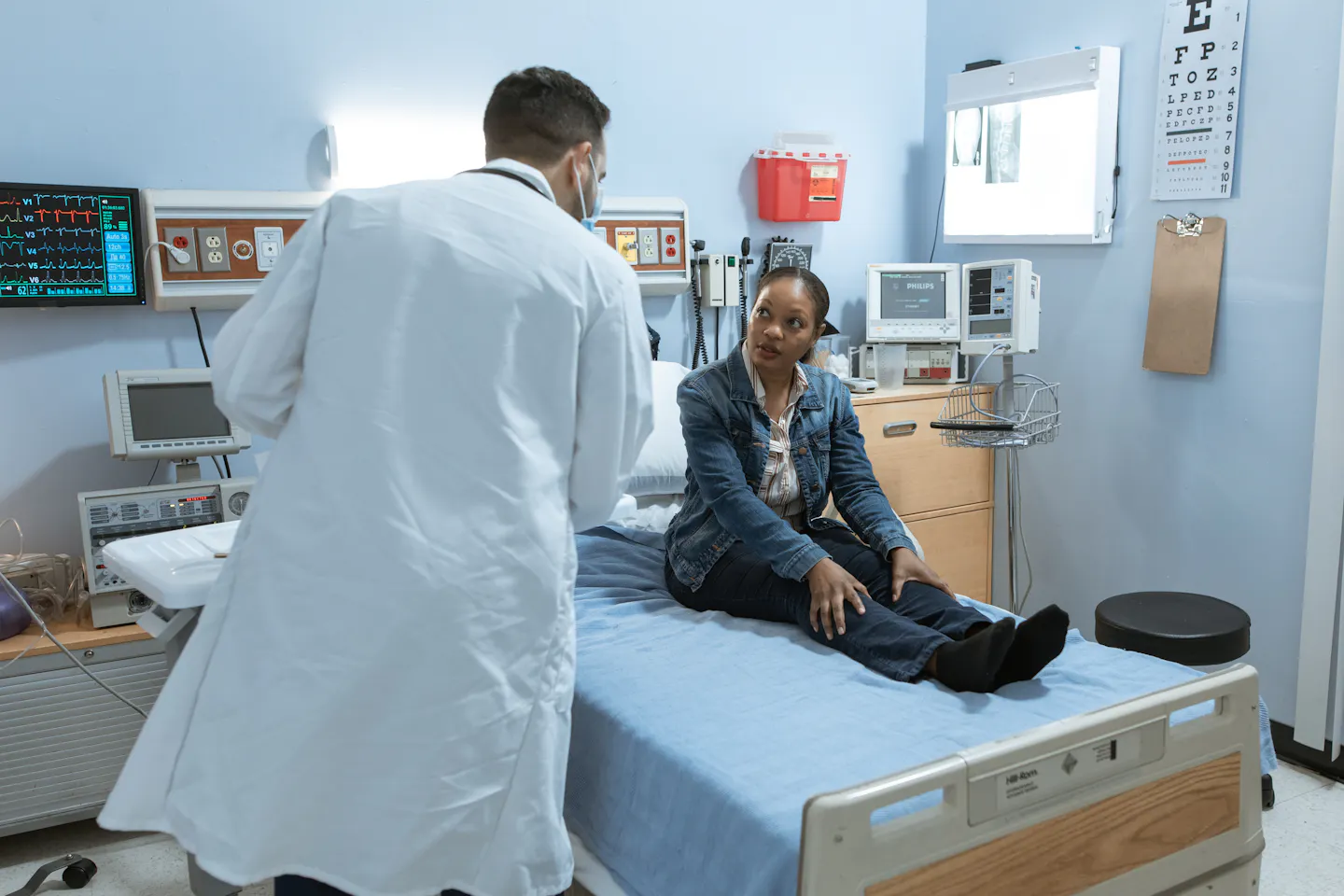
Photo: RDNE Stock project via Pexels
Narrow accident questions usually show up after the first wave of stress has passed. A reader is trying to decide whether a symptom timeline is normal, whether a test or therapy step should already have happened, or whether the medical record is keeping up with what the body is doing day to day.
This page helps readers who are trying to decide quickly whether a loved one or they themselves need emergency evaluation after a collision, fall, or other sudden injury event. It is especially useful when symptoms are evolving and the first reaction is to minimize them.
That is what makes these pages different from a broad medical encyclopedia entry. They are written for the in-between moments after the first visit, when a person is still functioning but is no longer comfortable relying on guesswork or a single sentence from discharge paperwork.
The signs that most often push the decision toward the ER are worsening headache, loss of consciousness, repeated vomiting, chest pain, shortness of breath, major bleeding, confusion, seizure, fainting, new weakness, and deepening abdominal pain. These symptoms matter because they may signal hidden injury or rapid change rather than ordinary soreness.
The key is to separate a useful general rule from a false shortcut. Accident recovery rarely follows one exact schedule, so the better question is what factors usually move the decision: symptom severity, changing function, sleep disruption, imaging findings, work demands, and whether treatment is clearly helping.
Readers get better answers when they stop looking for one universal timeline and instead ask which pattern they are seeing. Is the issue improving, plateauing, or getting more disruptive? Is it affecting concentration, lifting, driving, sleep, or daily activity? Those details shape the next step much more than a single number of days.
This page is itself about urgency, so the safest rule is simple: if the person feels harder to evaluate, less stable, less alert, or less able to move, breathe, or think normally than before, the decision should lean toward emergency care rather than more watchful waiting at home.
Readers often wait too long because they keep comparing the problem to the first visit rather than to the current one. If the pattern is becoming more intense, more frequent, or harder to explain, the next step should shift from passive monitoring to a focused medical question.
That does not mean every unresolved symptom is an emergency. It means a search question has crossed into a clinical decision when the answer could change medication use, work safety, driving, therapy progression, or the level of monitoring that makes sense for the injury.
If you do go in, describe exactly when the symptom started, how it has changed, whether it appeared immediately or later, and what accident mechanism came before it. That makes the evaluation more useful than simply saying “I was in a crash and now I hurt.”
Short, specific notes usually help more than long emotional summaries. Write down the symptom pattern, what triggered it, what daily task became harder, and what change would count as improvement. That gives the next clinician or therapist something concrete to react to.
If records or billing are part of the concern, bring dates, visit summaries, imaging reports, therapy notes, and a short timeline. A structured picture of what happened is usually more persuasive and more useful than trying to remember everything in the room.
Keep discharge papers, timing notes, and any imaging or medication instructions together. When symptoms were delayed, make sure that delayed timeline is easy to explain later because it helps the next provider understand why the second visit became necessary.
This is where many small accident questions become larger claim or billing problems. When the record shows the symptom timeline, treatment response, and practical limitations clearly, later conversations with offices, insurers, or employers are usually less confusing.
The record does not have to be perfect to be useful, but it does need to be coherent. Dates should line up, body areas should match the actual symptoms, and key changes in function should not be left out simply because the visit felt rushed.
If any of the red flags on this list are present or escalating, use the list as a prompt to act rather than as reassurance to keep waiting. A decision made ten minutes earlier is often more helpful than a perfect explanation made too late.
If the question is still interfering with sleep, work, concentration, driving, or the overall care plan, it has moved beyond casual searching. That is usually the moment to pair better note-keeping with a clearer follow-up conversation rather than trying to solve the issue from search results alone.
Use this page as a decision aid, not as a diagnosis. The strongest next move is usually a better question, a clearer record, and a more focused visit rather than more generic searching.
No. Some serious injuries still allow a person to walk early on, especially before the full symptom pattern becomes obvious.
Yes. Delayed worsening is one reason return precautions matter so much after an accident.
This website publishes educational information about injuries, treatment patterns, and recovery questions after accidents. It does not diagnose, treat, or replace care from a licensed clinician who knows your medical history.
Seek emergency help for red-flag symptoms such as trouble breathing, chest pain, loss of consciousness, seizure, severe confusion, new weakness, or rapidly worsening abdominal pain.
Use this guide to decide when accident symptoms call for the ER, urgent care, or a routine doctor visit, and what details matter most.
Understand why internal injuries can be hard to spot and which symptoms after an accident should prompt urgent or emergency evaluation.