

When a Second Opinion After an Accident May Make Sense
Learn when accident patients commonly seek a second opinion and how to make that visit more useful.
Learn what an independent medical exam is, why it may be requested, and how readers can prepare for the appointment calmly and clearly.

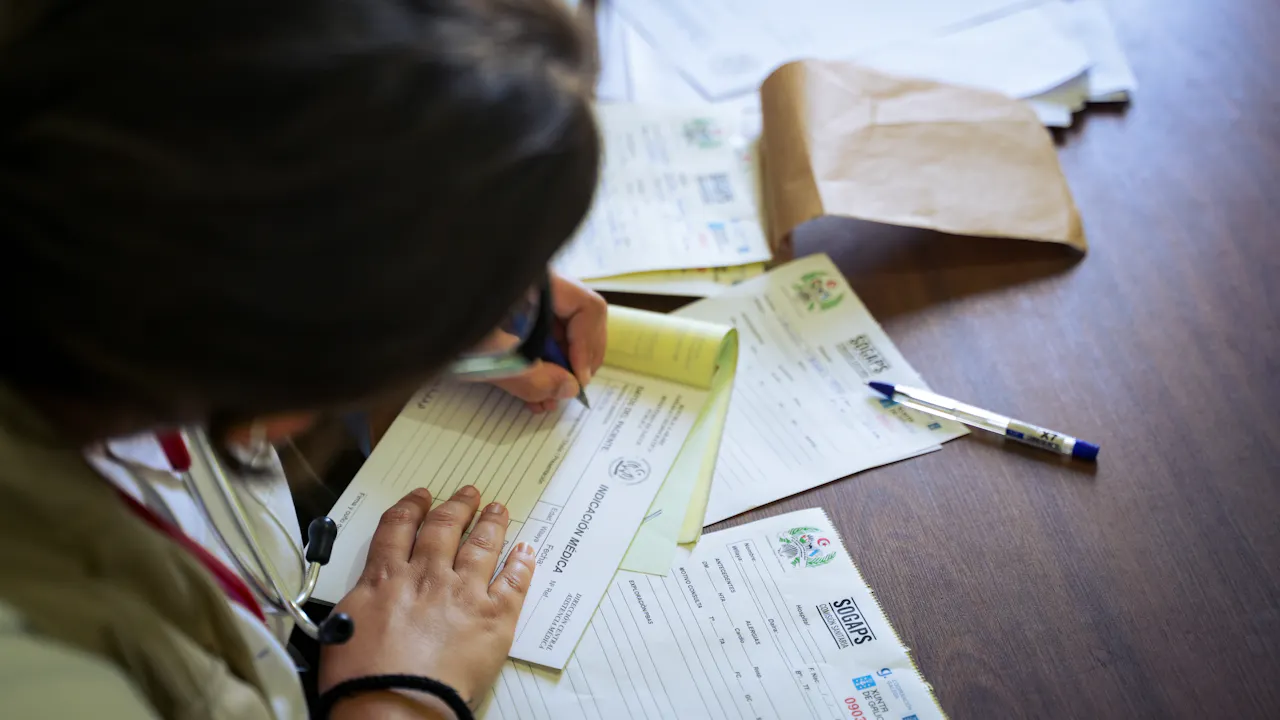
Photo: Tima Miroshnichenko via Pexels
This page is for readers who were told to attend an IME for an insurance claim, disability issue, workers compensation matter, or another accident-related dispute. It is especially useful when the person is unsure what the examiner will do, how to prepare, or how the IME differs from their treating doctors.
Independent medical exams confuse many readers because the name sounds neutral while the actual purpose often feels different from regular treatment. An IME usually is not a treatment visit. It is an evaluation connected to insurance, disability, or claim review questions.
An IME usually happens after the treatment timeline is already underway and another party wants an outside opinion about diagnosis, need for treatment, work restrictions, causation, or recovery status. That is why the visit can feel unfamiliar. The examiner may review records, ask detailed history questions, perform a focused exam, and later produce a report rather than offering routine follow-up care.
These topics work best when the reader keeps the medical story in the foreground: what happened, what was treated, what remains limited, and which document explains each stage.
This is not a medical emergency topic, but it becomes time-sensitive when an IME appointment affects benefits, claim progress, work status, or reimbursement and the reader still does not understand what documents to bring or what the purpose of the visit will be.
The most helpful way to think about an IME is as a structured review of the medical story rather than a normal treatment visit. The examiner often wants to compare the accident timeline, prior records, current complaints, function limits, imaging, and treatment history. That makes consistency and preparation more important than trying to "perform" the visit a certain way.
Readers should review their own timeline before the exam, bring identification and any requested documents, and be ready to describe symptoms consistently with the treatment record. After the visit, it helps to write down what happened, what testing or questions occurred, and whether anything felt inaccurate or incomplete.
The most useful next steps usually come from clarifying records, billing structure, and function loss rather than trying to turn a medical visit into a legal script.
Keep the appointment notice, any questionnaire, and your own notes about the visit with the rest of the file. IME-related questions usually become easier to discuss when the reader has both the regular treatment record and the IME paperwork organized together rather than in separate piles.
The IME itself does not define recovery. It is one event inside a larger medical timeline. Readers protect themselves best by staying consistent, informed, and organized rather than by assuming the IME replaces the judgment of every treating provider.
Longer-term clarity comes from keeping medical notes, cost questions, and work or claim paperwork tied to the same recovery timeline.
Usually no. An IME is typically an evaluation for a claim-related purpose, not the start of an ordinary treating relationship.
Follow the instructions you were given, but it is still wise to have your own timeline and record set organized before the visit.
This website publishes educational information about injuries, treatment patterns, and recovery questions after accidents. It does not diagnose, treat, or replace care from a licensed clinician who knows your medical history.
Seek emergency help for red-flag symptoms such as trouble breathing, chest pain, loss of consciousness, seizure, severe confusion, new weakness, or rapidly worsening abdominal pain.
Learn when accident patients commonly seek a second opinion and how to make that visit more useful.

See how treatment notes, communication, and follow-up habits can make accident-related medical records clearer and more useful.
Understand which medical records matter most after an accident, how to request them, and how to spot gaps before they create problems.