

Recovery Timeline by Injury Type After an Accident
Compare how recovery often differs across soft tissue injuries, fractures, concussion symptoms, spinal problems, and mental health effects.
Get a plain-language overview of fracture evaluation, follow-up care, healing timelines, and the questions readers should ask after an accident.

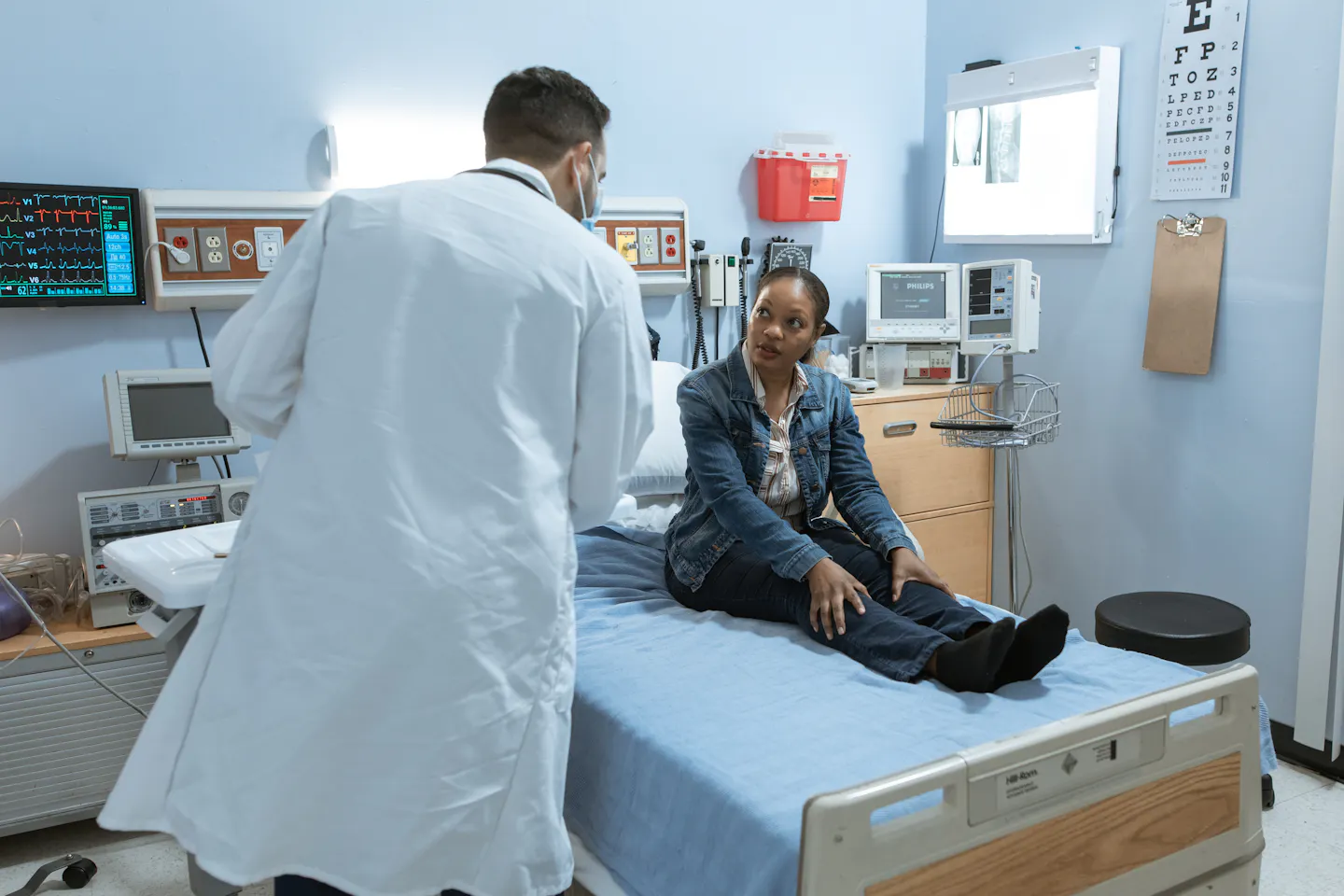
Photo: cottonbro studio via Pexels
Readers usually land on this page when a symptom, diagnosis, or insurance question has already started affecting decisions. They want to know whether the situation sounds routine, whether it needs faster evaluation, and how to avoid getting lost between urgent care advice, specialist referrals, and paperwork.
This guide is for readers with suspected or confirmed fractures after a crash, fall, or other injury event. It is also useful when the first visit was inconclusive but swelling, point tenderness, or loss of function still makes a missed fracture part of the concern.
That is why this guide is written to slow the situation down. Instead of assuming a label or billing term explains everything, the goal is to translate the topic into the practical things readers actually need: what the topic means, what changes the urgency level, and what details are worth tracking before the next medical conversation.
Fractures often present with swelling, point tenderness, bruising, deformity, or inability to use the area normally, but not every broken bone is obvious right away. Some injuries are subtle early, especially when initial swelling is limited or when attention is focused on a different, more painful area.
One of the biggest mistakes after an accident is assuming the first label tells the whole story. In practice, timing matters. Symptoms may build after adrenaline wears off, mild findings can become more disruptive over the next several days, and the pattern of function loss often tells clinicians more than one isolated symptom written down once.
This is also why people often feel confused by conflicting advice. A symptom may sound minor in isolation but more important once it is paired with dizziness, interrupted sleep, weakness, persistent swelling, or a job that demands lifting or long driving. The topic on this page should always be read in the context of the whole recovery picture.
Emergency or same-day reassessment is more important when a limb looks deformed, circulation seems reduced, pain is severe and escalating, numbness is present, the skin is open, or the person cannot safely use the injured area at all. Those features raise the stakes beyond a routine sore-but-stable follow-up.
Urgency does not always mean an ambulance or a dramatic symptom. Sometimes it means recognizing that a symptom is worsening, spreading, interfering with walking or thinking, or no longer fitting the original "watch and wait" plan. When the story changes, the safest move is usually a faster reassessment rather than hoping the chart will catch up later.
Readers also underrate persistence. A problem that keeps returning, stops progress, or starts affecting balance, concentration, breathing, bowel or bladder function, or the ability to tolerate normal activity deserves a different level of attention than a sore but steadily improving injury. That distinction matters more than internet checklists alone.
Clinicians usually evaluate fracture concerns with the mechanism of injury, tenderness pattern, swelling, circulation, nerve status, and imaging. Once the fracture is identified, the next questions become whether it is stable, whether it needs casting, splinting, surgery, repeat imaging, or orthopedic follow-up, and how long function will realistically be limited.
A useful visit usually answers four practical questions: what is most likely going on, what has to be ruled out, what should be tracked over the next few days, and what would trigger a higher level of care. Good visits also create better records because they connect the mechanism of injury, the symptom pattern, the exam, and the next-step plan in one place.
Even when the first visit does not produce a final answer, the evaluation can still be valuable if it narrows the possibilities and gives the reader a more specific follow-up plan. The strongest plans explain what to monitor at home, when to return, whether imaging or therapy may become relevant, and which symptoms would change the level of concern.
At follow-up, track swelling, pain at rest versus movement, numbness, skin changes around the brace or cast, and whether function is gradually returning. Readers also need to watch for practical issues such as sleeping difficulty, inability to perform self-care, or work tasks that are no longer possible with the current restriction level.
Follow-up visits go better when readers bring specifics instead of general frustration. The most helpful notes are usually dates, symptom triggers, what got worse or better, whether sleep or work changed, and what questions are still unanswered. That kind of detail makes it easier for a clinician to refine the plan rather than repeat the same vague advice.
When readers prepare two or three focused questions in advance, they usually get more value from the appointment. Questions about function, driving safety, therapy timing, return-to-work expectations, and the reason behind a test or referral tend to be more productive than asking only whether the injury is "serious."
Fracture documentation should include the exact bone or joint involved, the stability of the injury if known, what treatment was applied, and what restrictions were given. Those details matter both medically and practically because they explain why the person cannot lift, stand, drive, or work normally.
Even if a reader is not thinking about an insurance claim yet, documentation quality still matters. Clear records reduce confusion between providers, make it easier to request copies later, and help explain why a recovery plan changed over time. Thin or inconsistent records often create more stress than the original symptom question itself.
Good documentation does not mean trying to sound dramatic. It means making sure the record reflects where the pain is, when symptoms appeared, what tasks are harder, which advice was given, and whether the treatment plan is actually helping. That kind of precision supports both safer care and cleaner communication later.
Bone healing is only part of the recovery story. After immobilization, stiffness, weakness, balance issues, and delayed return of confidence often shape the next phase, which is why therapy or guided progression can matter even when the fracture itself is healing normally.
The best next step is usually the one that turns uncertainty into a plan: know which symptoms move the decision toward urgent care, know what to track before the next visit, and know what documents to keep as recovery unfolds. That approach supports both safer care and clearer decision-making later.
Recovery rarely feels linear in real life. Some days are better, some symptoms fade while others become more noticeable, and new questions appear once work, school, childcare, or transportation pressures return. A strong plan leaves room for that reality instead of pretending that the first visit settles everything.
Yes. Some fractures are subtle early on, which is why worsening pain, swelling, or point tenderness can justify follow-up.
Not all, but therapy is common when stiffness, weakness, or limited function remain after the bone has started to heal.
This website publishes educational information about injuries, treatment patterns, and recovery questions after accidents. It does not diagnose, treat, or replace care from a licensed clinician who knows your medical history.
Seek emergency help for red-flag symptoms such as trouble breathing, chest pain, loss of consciousness, seizure, severe confusion, new weakness, or rapidly worsening abdominal pain.
Compare how recovery often differs across soft tissue injuries, fractures, concussion symptoms, spinal problems, and mental health effects.
Learn how to talk with your doctor about lifting limits, driving, standing, sitting, concentration, and return-to-work timing.
Learn how urgent care, primary care, orthopedics, neurology, pain care, and physical therapy each fit into accident recovery.