
How Long Should You Wait for an MRI After an Accident?
Understand why MRI timing varies after an accident and how doctors decide when the scan is worth ordering.
- There is no single "correct" number of days before MRI.
- Symptoms, function, and exam findings drive timing more than impatience does.
- The right question is what decision the MRI would change.
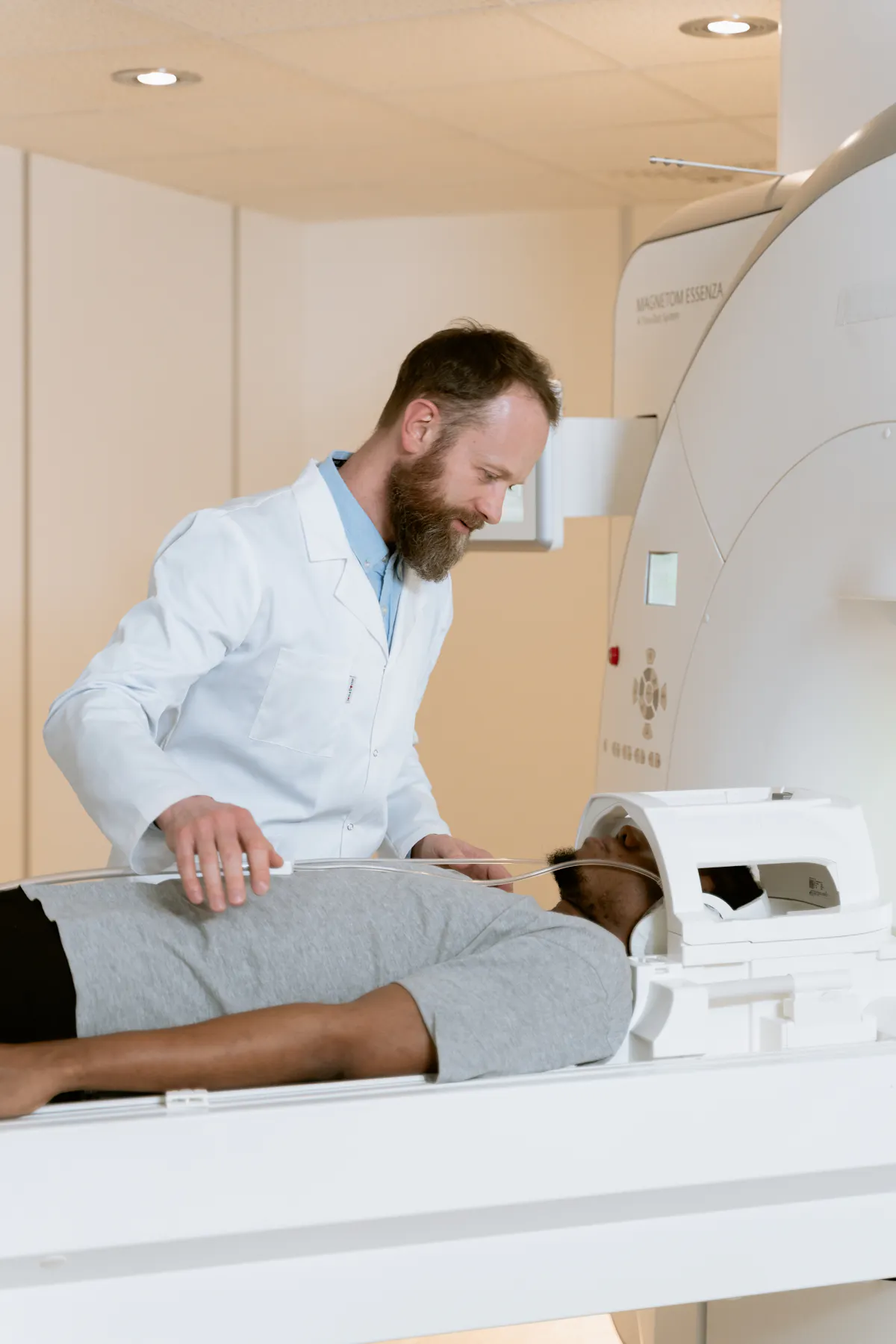
Photo: MART PRODUCTION via Pexels
Why people search How Long Should You Wait for an MRI After an Accident
This page is for readers who are frustrated that MRI has not happened yet, or confused because another person with a similar accident got one sooner. It is especially useful when the person wants to understand what doctors are waiting to see before advancing the workup.
This question sounds simple, but MRI timing is never just about the calendar. It depends on what the doctor is trying to confirm, rule out, or plan next based on the current symptom pattern.
- There is no single "correct" number of days before MRI.
- Symptoms, function, and exam findings drive timing more than impatience does.
- The right question is what decision the MRI would change.
What usually matters first
MRI may be ordered quickly when the situation suggests a more urgent structural question, but many readers first go through exam-based follow-up, medication review, therapy planning, or simpler imaging before MRI becomes useful. The timeline makes more sense once you know whether the concern is soft tissue, disc, nerve, brain-related, or just unresolved persistent pain.
The next useful treatment question is usually about pace and safety: whether the current pattern still fits routine follow-up or whether the decision window is getting narrower.
When How Long Should You Wait for an MRI After an Accident needs follow-up
If symptoms are worsening into weakness, severe neurologic change, escalating head-injury signs, or a major function drop, the issue is not merely "how long to wait for MRI." It becomes a broader urgent medical reassessment question.
Treatment posts help most when the reader walks into the next visit able to describe what changed since the first evaluation instead of starting from scratch.
Questions and notes to bring
A good follow-up question is not "Can I please get an MRI?" but "What diagnosis or treatment decision are we trying to clarify, and what would make MRI more or less useful right now?" That wording usually produces a clearer answer.
- What exact question would the MRI answer in my case?
- Which symptom changes would make imaging more urgent?
- What should I be tracking while the plan is still conservative?
Why records and context still matter
Keep the note that explains why MRI was or was not ordered along with the rest of the file. That helps later if another provider takes over and wants to understand the reasoning behind the timing rather than assuming the scan was simply denied or ignored.
Even narrow treatment questions become clearer when the record shows timing, symptom progression, medications tried, and whether driving, work, or sleep have become harder.
Bottom line on How Long Should You Wait for an MRI After an Accident
Use the waiting period to track where symptoms are going, not just how annoyed you feel about the delay. Clear trend information often does more to justify imaging than repeating the same request without new detail.
The goal is usually not more generalized searching. It is a clearer medical decision about where care should happen next and what question should be answered there.
Common Follow-Up Questions
Can waiting too long for MRI hurt recovery?
The key issue is whether symptoms are being followed properly and whether the current plan still fits the problem, not the calendar alone.
Should I push for MRI if pain is severe?
The more useful question is what diagnosis the MRI is supposed to clarify and whether the result would change treatment.